
At least at a runway show, we still know what we’re looking at.
There’s always been a certain mystique around models—their beauty, their presence, the way they can transform in front of a camera. At their best, models do so much more than sell clothes and lipstick. They reflect culture. They define eras.
That’s part of why I’m still so drawn to them. There’s a kind of magic in watching someone step onto a set or a runway and exude an energy that’s hard to replicate or explain. It’s something that can only come from a living, breathing person.
So what happens if the industry no longer needs models in the same way?
In Episode 5, beauty journalist Sophia Panych and I discuss the meaning of models and how AI is beginning to reshape the industry. We met while working at Glamour, and we both grew up loving magazines. Sophia also spent years backstage at Fashion Week and has a deep understanding of the human side of modeling.
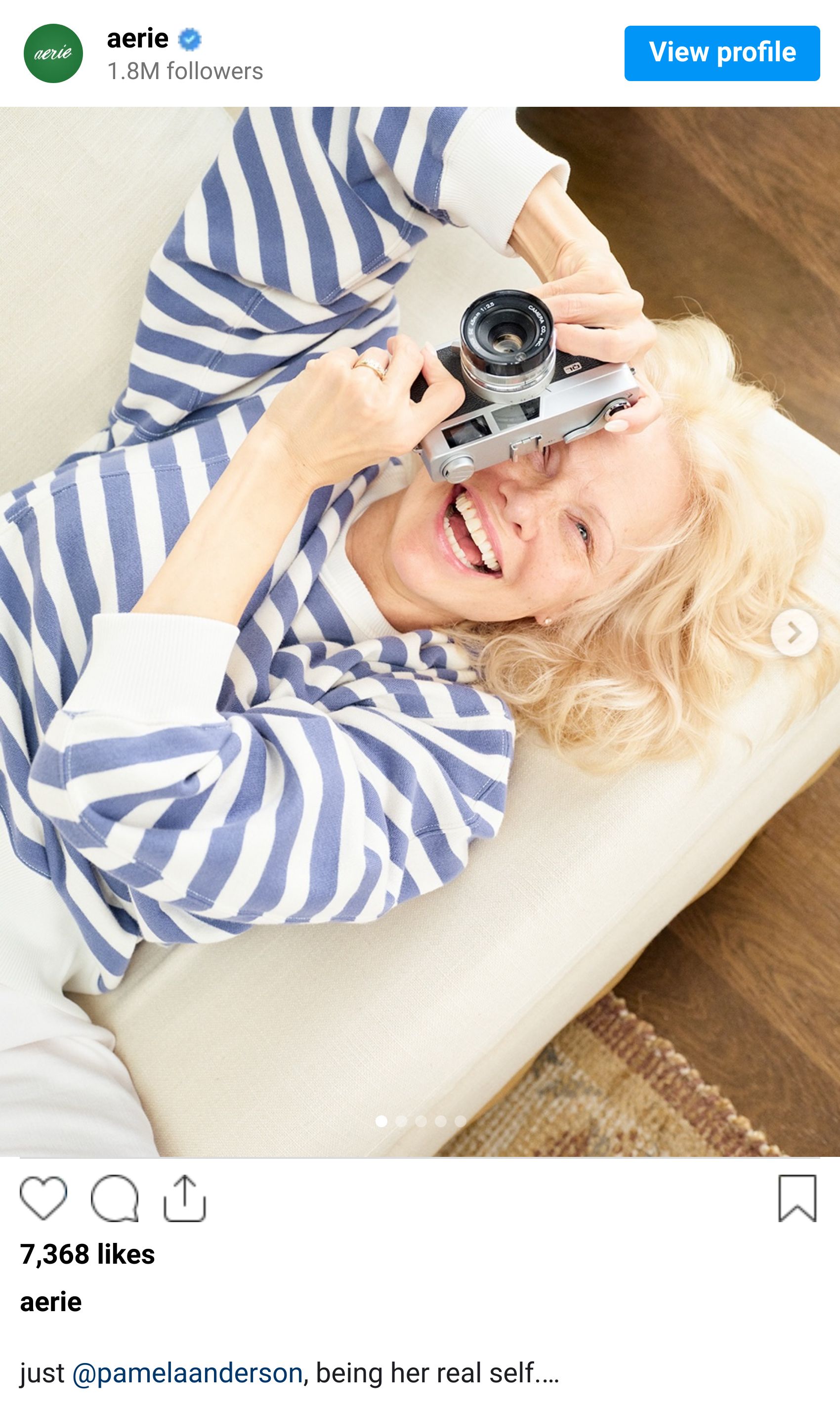
Since we spoke, the backlash to AI-generated models in advertising has only intensified (Gucci being one of the last examples). At the same time, some brands are responding. A recent People story highlighted a new Aerie campaign starring Pamela Anderson. It leans into “100% real” imagery in contrast to the rise of AI-generated models.
In this brewing tension between the aspirational and the artificial, I’m betting on the former. Yes, beauty has always involved a degree of illusion. But AI is forcing us to confront something new: the possibility that the person we’re looking at doesn’t exist at all.

Sophia Panych, Content Director at Allure, shared her thoughts on the AI model moment.
A Few Quick Takes From Sophia
Models changed the game
“Supermodels were the first celebrities. Back when the supermodels got big, there wasn't this obsession with actors yet. Remember, they were on the red carpet in whatever they had on that afternoon. They didn't have stylists. They were artists. And the original supermodels were the first personal brand-builders. They went outside of fashion, and worked with lifestyle brands, food and beverage brands, and music.”
AI could take us backwards
“As somebody who started in the industry when things were still quite exclusive, not very welcoming to a lot of people, my biggest concern about AI is that it’s pulling us back to an era of unattainable beauty and fashion standards.”
Cheaper and faster doesn’t mean better
“Modeling is an art form. You're creating imagery. You talk to people in the field who are shooting fashion and beauty editorials, and they do it because they're creating lasting images that impact us as a society. I’m sure you could generate an impactful composition with AI. Still, nothing can fully replicate the craft of multiple humans coming together to create something incredible and perception-changing.”
The future of AI in beauty might not be as glamorous as it sounds. One founder argues the real disruption will be messier and more complicated than the hype suggests.
AI skincare tools are getting smarter (and more invasive), promising hyper-personalized routines based on your face. But are we heading into TMI territory?
I can’t decide if this AI-powered beauty mirror is genius or deeply disturbing.
The backlash to AI-generated fashion imagery is starting to feel less knee-jerk reaction, more collective side-eye.
And in case you needed a reminder that things can go very left: AI is already being used to manipulate real people’s images without consent. Yikes.
See you next week,
B
