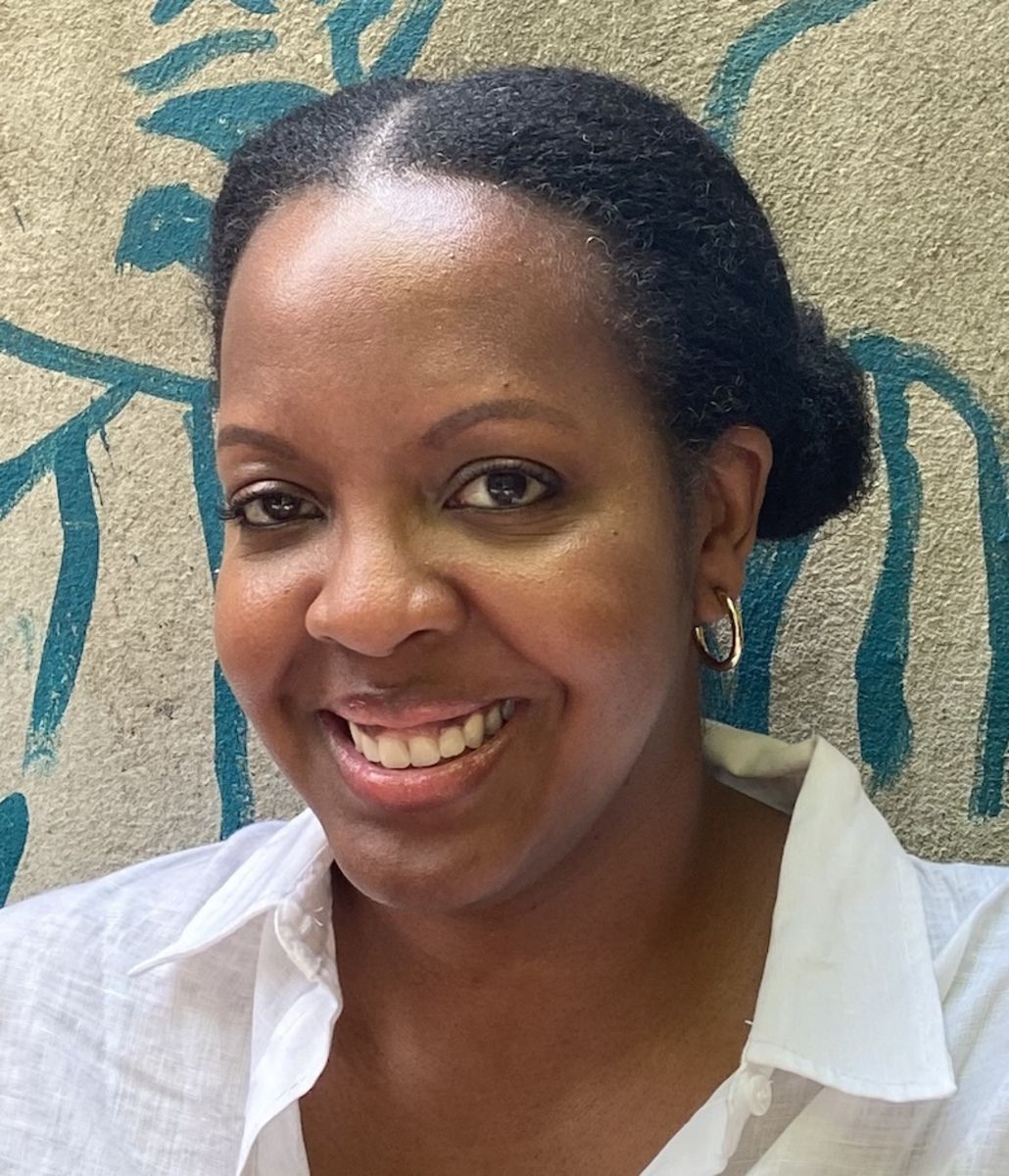

Dr. Steven Williams, a board-certified plastic and reconstructive surgeon based in California.
It wasn’t that long ago when plastic surgery looked like plastic surgery. You could spot an elegant older woman’s facelift from a mile away, rhinoplasty followed a cookie-cutter formula, and most boob jobs weren’t fooling anyone.
Now? We might be living in plastic surgery’s golden age. In many ways, the field has grown up.
In Episode 3, I spoke with Dr. Steven Williams, a Northern California–based board-certified plastic and reconstructive surgeon, about how the industry has evolved—and why the results look so different today.
While reflecting on what’s changed over the past two decades, Dr. Williams said something that really stuck with me: two of the most important tools plastic surgeons are using more effectively than ever are…their ears.
As he put it:
“I do think that as my generation of plastic surgeons has come of age and become more influential, some of the things we saw that maybe weren't great for patients—one size fits all, ‘I'm not going to listen to you, I'm the doctor’—those things have no place.
And I think as people like me start getting gray hair, it becomes more and more part of the culture that, of course, we don't do those bad things. Of course, we listen to patients.”
Throughout our conversation, Dr. Williams shared candid thoughts about the current state of plastic surgery, the tricky issues he’s navigating in his practice, and what the future might look like as patients’ expectations become less tethered to reality.
If you’ve ever wondered what it would be like to sit next to a thoughtful plastic surgeon on a plane or at a coffee shop and pick his brain for half an hour, this conversation is the next best thing.

Dr. Williams has spent decades watching plastic surgery evolve from “one-size-fits-all” to highly personalized.
A Few Standout Soundbites From Dr. Williams
One nose no longer fits all
“One of the best things that's changed is our ability to tailor results to what patients want. In the old days, people got one nose to the point where there was literally a mold we used when we were training. It's still sold today, and it showed exactly how you were supposed to shape the bones and cartilage.”
Plastic surgery is more acceptable—but not necessarily more accessible
“It's not just the cost of surgery. It's time off work, time away from your family. If you're making $18 an hour and living in San Francisco or New York, you can't take two or three weeks off to recover, much less find the money for surgery in the first place. At some level, it's still aspirational. At some level, it's still out of reach.”
A new kind of ‘peer review’ may be coming
“We're probably six months to a year away from AI being able to judge surgical outcomes. I'm not trying to promote one system over another, but it will be interesting when those tools can identify differences—or even flag things that might represent complications.”
Worth a Look
It’s rare for a male celebrity to face intense scrutiny over their looks. Still, Jim Carrey’s recent appearance at the César Awards made headlines after photos of his seemingly surgically altered face went viral—and sparked unhinged conspiracy theories.
I never thought I would mention Planned Parenthood and Botox in the same sentence, but there’s a first time for everything.
Undetectable injectables are the beauty version of quiet luxury.
This story breaks down the real “price of looking effortless.”
All the talk about looksmaxxing and wellnessmaxxing makes me want to start a counter movement: bareminimizzing. Who’s with me?
See you next week,
B
