
Controversy in a box?
Memory. Identity. Freedom. Relaxers have always been about more than just hair. Now the shared experiences that once felt routine—the all-day salon sessions, the burn, the scent—come with a different kind of scrutiny.
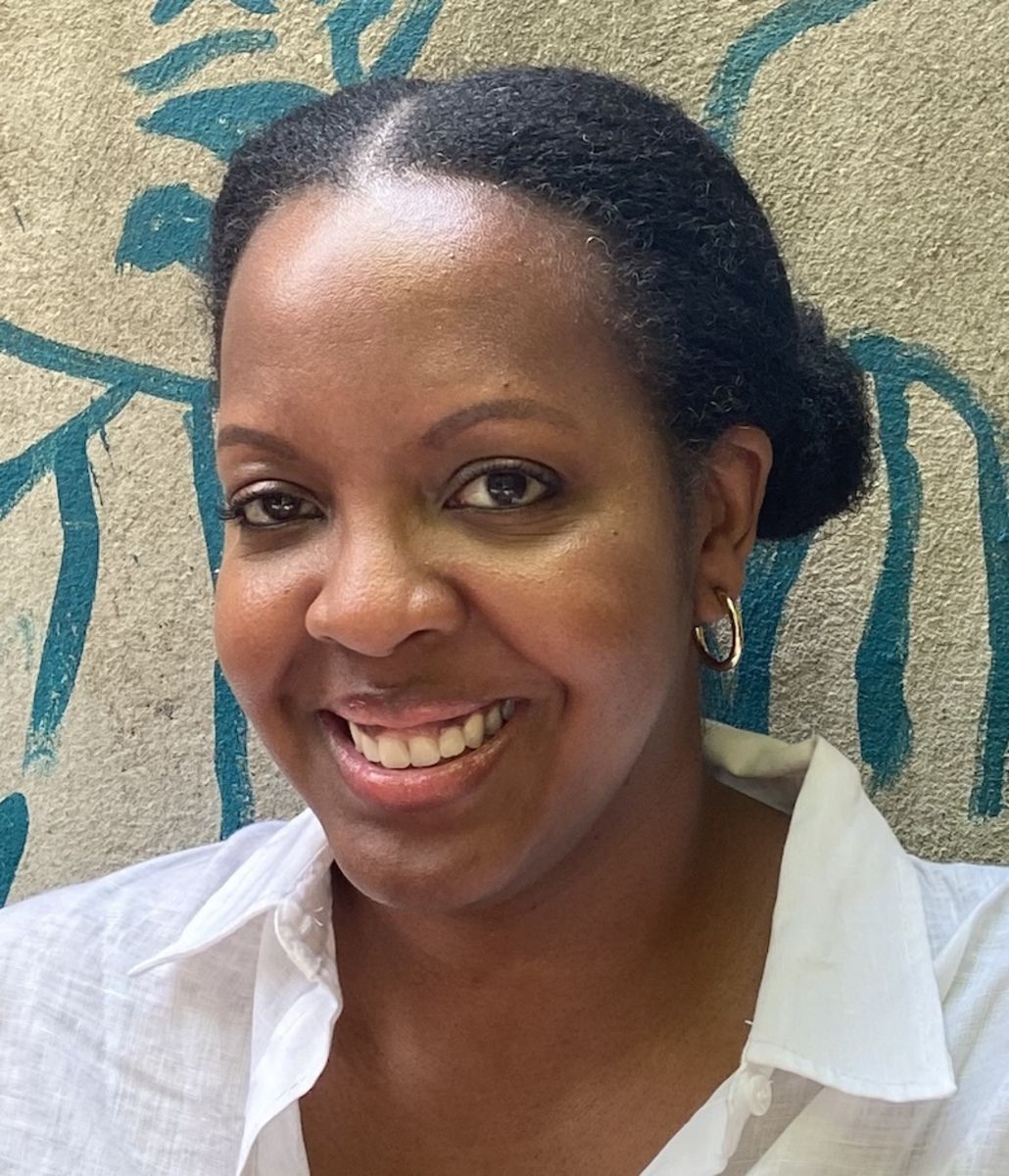
In Episode 4, I chatted with Antonia Opiah, the co-founder of Unruly. She started the platform over a decade ago as a blog documenting the politics and pleasures of Black hair. We got into the complicated history of relaxers at a moment when a wave of lawsuits tied to long-term health concerns is sparking important questions.
Our conversation didn’t land in one place. We flowed from nostalgia to the growing unease, and back and forth to the cultural significance. How could we not tackle all these things at once? Because when it comes to Black hair, there’s still so much to say—and a lot we’re still figuring out.

Antonia Opiah, co-founder of Unruly
A Few Key Takeaways from Antonia
On hair as an instant ice-breaker
“Hair is such a powerful uniter. No matter where I go, if I meet a Black woman, we’re going to talk about hair.”
On the power of the people
“I always cite the natural hair movement as proof that consumers can change what businesses do. Because for so long, they overlooked us as a segment with very specific needs. And then because we did our own thing, they finally saw the opportunity to cater to our unmet needs.”
On the 10,000+ relaxer-related lawsuits
“There's nothing like a big, chunky lawsuit to instigate change in industry, because money is one of the things that moves people.”
Worth a Look
It’s not just relaxers—hair extensions are under the microscope, too, for containing iffy chemicals.
Wigs look more believable than ever.
Law Roach (Zendaya’s stylist) is literally a walking silk press ad.
The best way to look “90s fine?” Get a fluffy bob.
Istanbul attracts one million bald people per year.
Ryan Coogler’s braider deserves an Oscar for his cool awards-night hair.
Also worthy of a golden statue—Wunmi Mosaku’s sculptural ‘do.
See you next week,
B
